Science
Vision: Every child is imbued with a life-long curiosity
and love for Science.
Mission: To develop the innovative and creative
spirit in every child.
To effectively learn science, students need to learn more than just facts and theories. Rather, they need to construct their understanding through an iterative, collaborative process that builds and reshapes prior knowledge.
National Research Council
Our Approach to Teaching and Learning
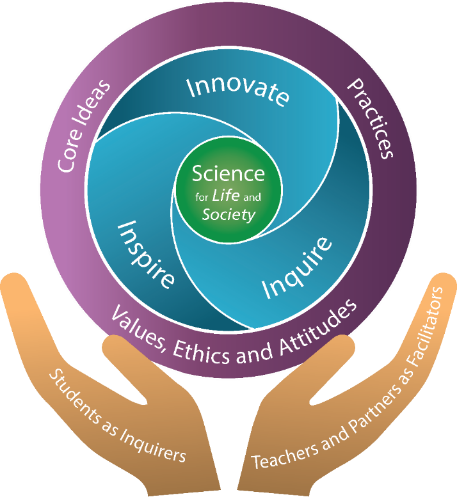
Aligned with the MOE Primary Science Framework, our approach centers on
scientific inquiry — using evidence-based reasoning to understand the world
around us. We believe that all students are curious and capable of learning
Science and we create opportunities for them to actively engage in hands-on
investigations, discussions and real-world applications.
Through inquiry-based learning experiences, we nurture positive attitudes
towards Science while developing critical, adaptive and inventive thinking.
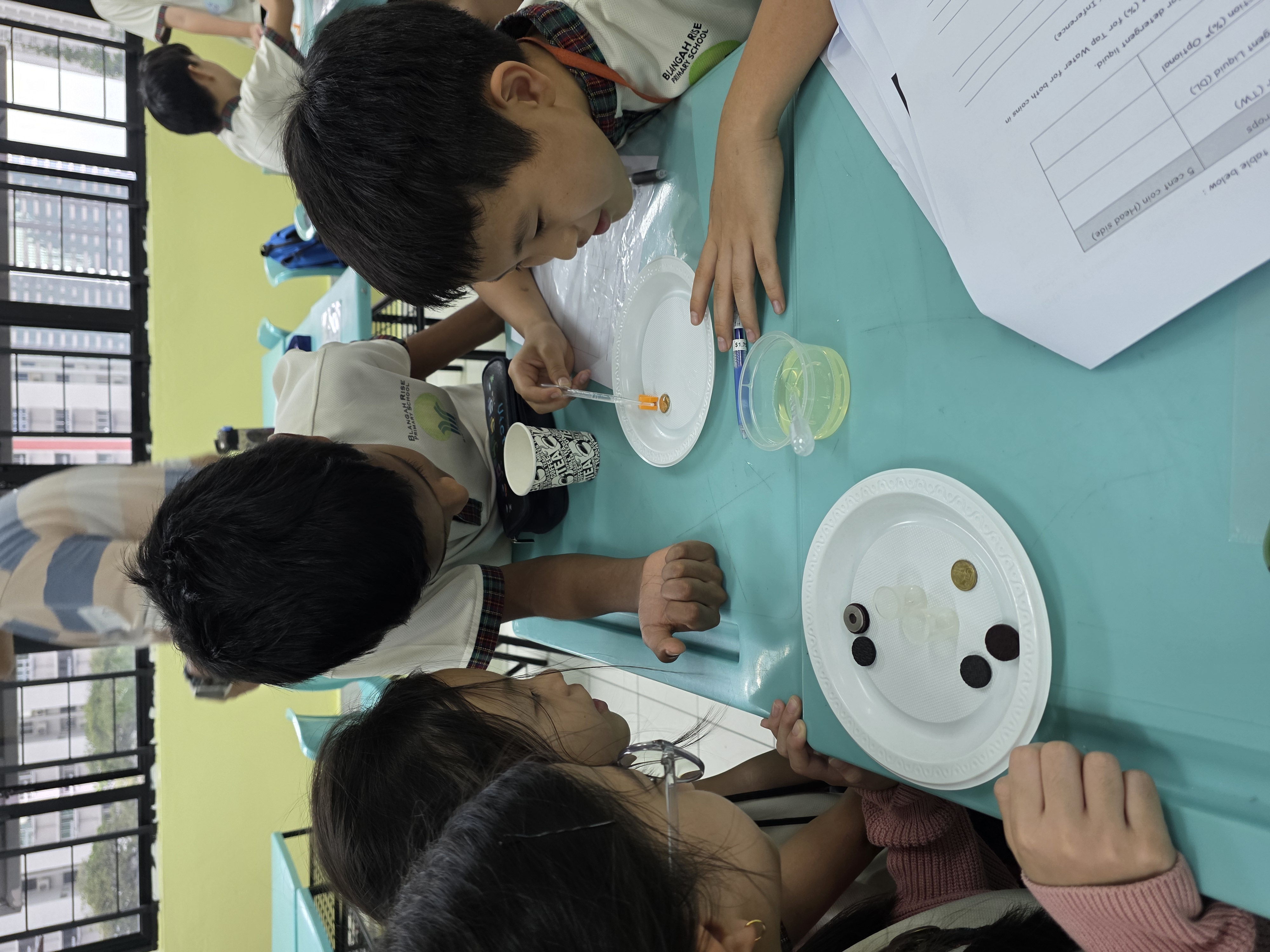
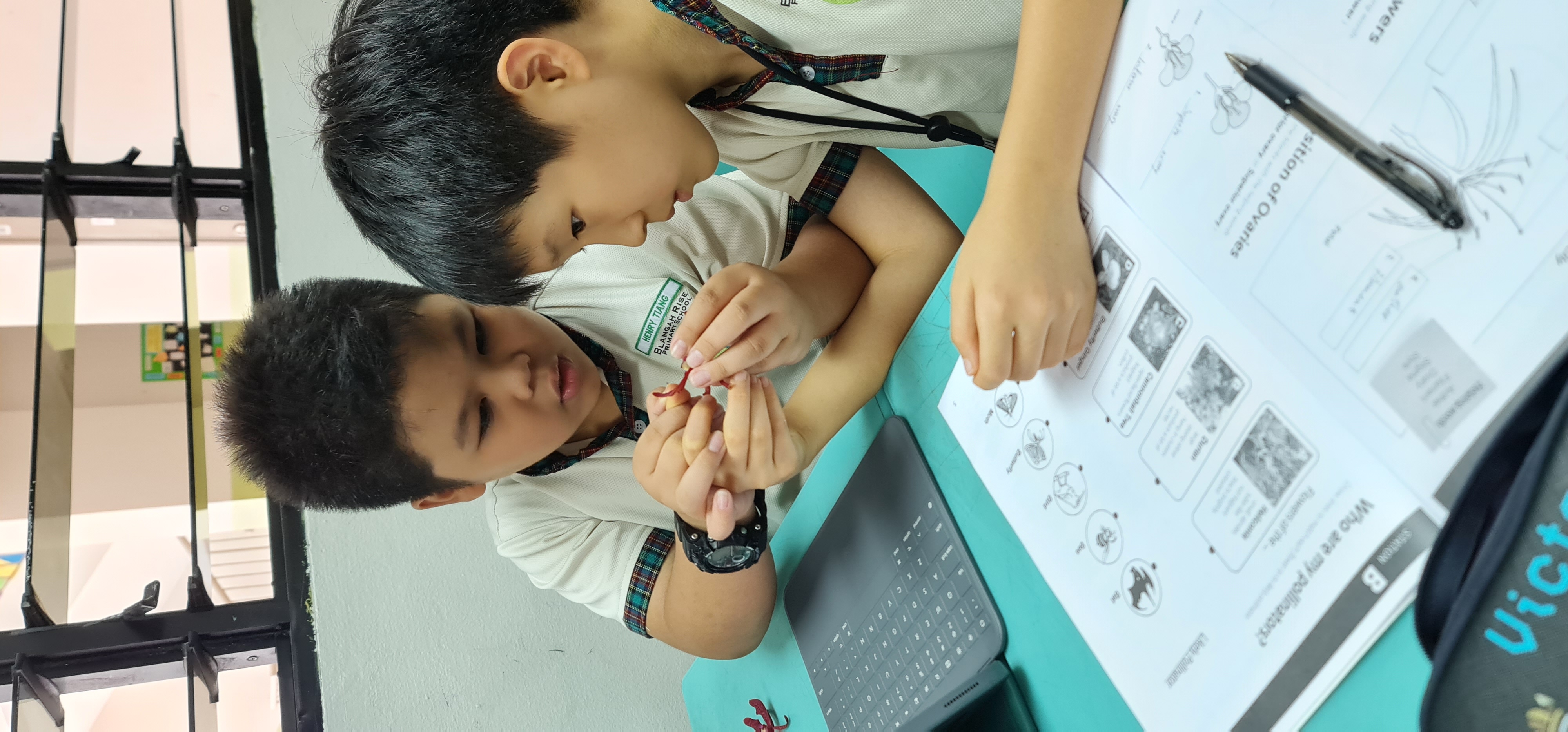
Our Science programme adopts Inquiry-Based Learning using Science Kits,
Outdoor Experiential Learning, and enrichment opportunities such as Science
Workshops, Learning Journeys, Recess Science Demonstrations and STEM Challenges.
Through hands-on and authentic experiences, students explore, question
and investigate concepts deeply while developing critical, adaptive and
inventive thinking, collaboration and self-directed learning — key aspects
of 21st Century Competencies.
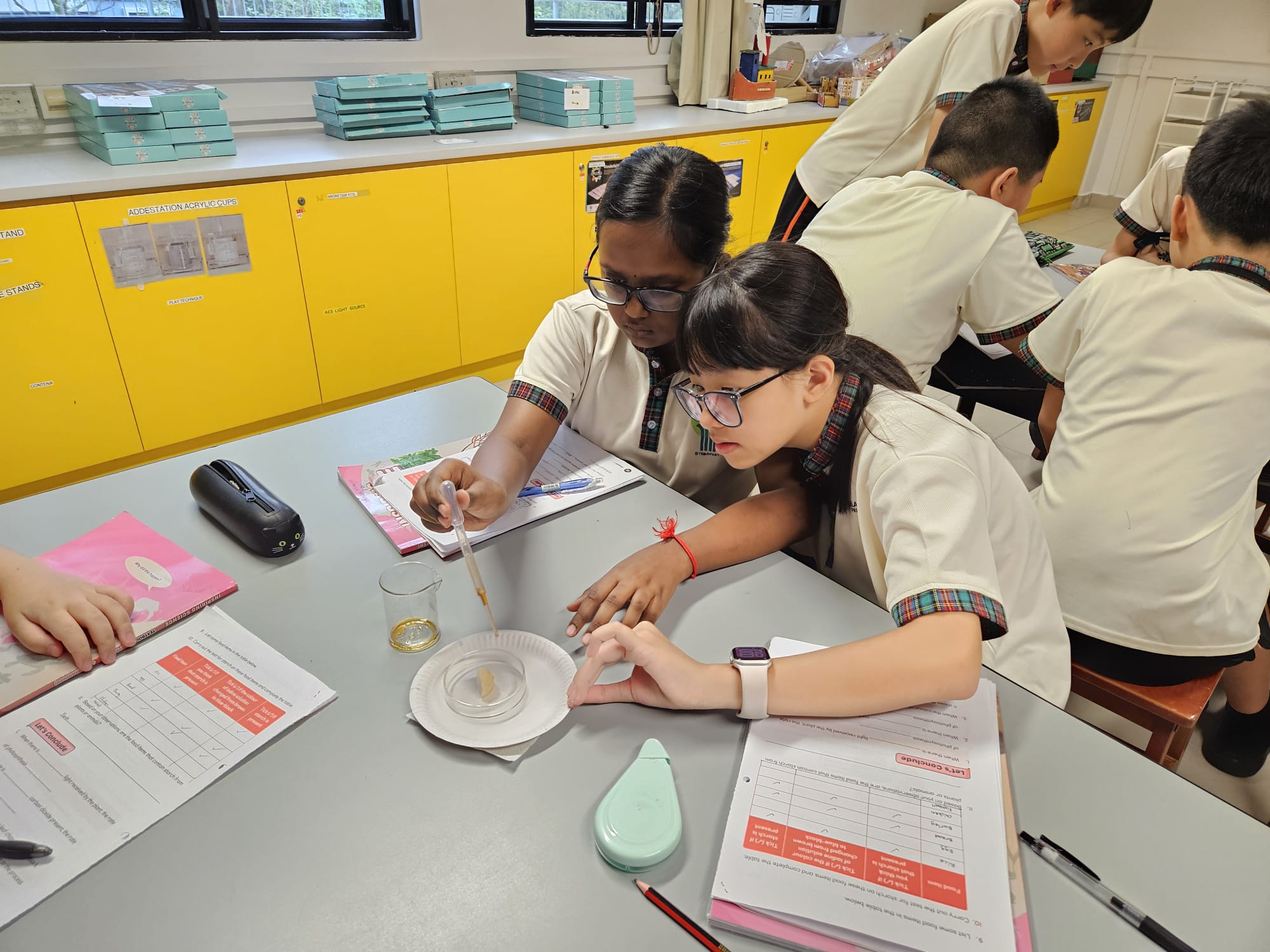
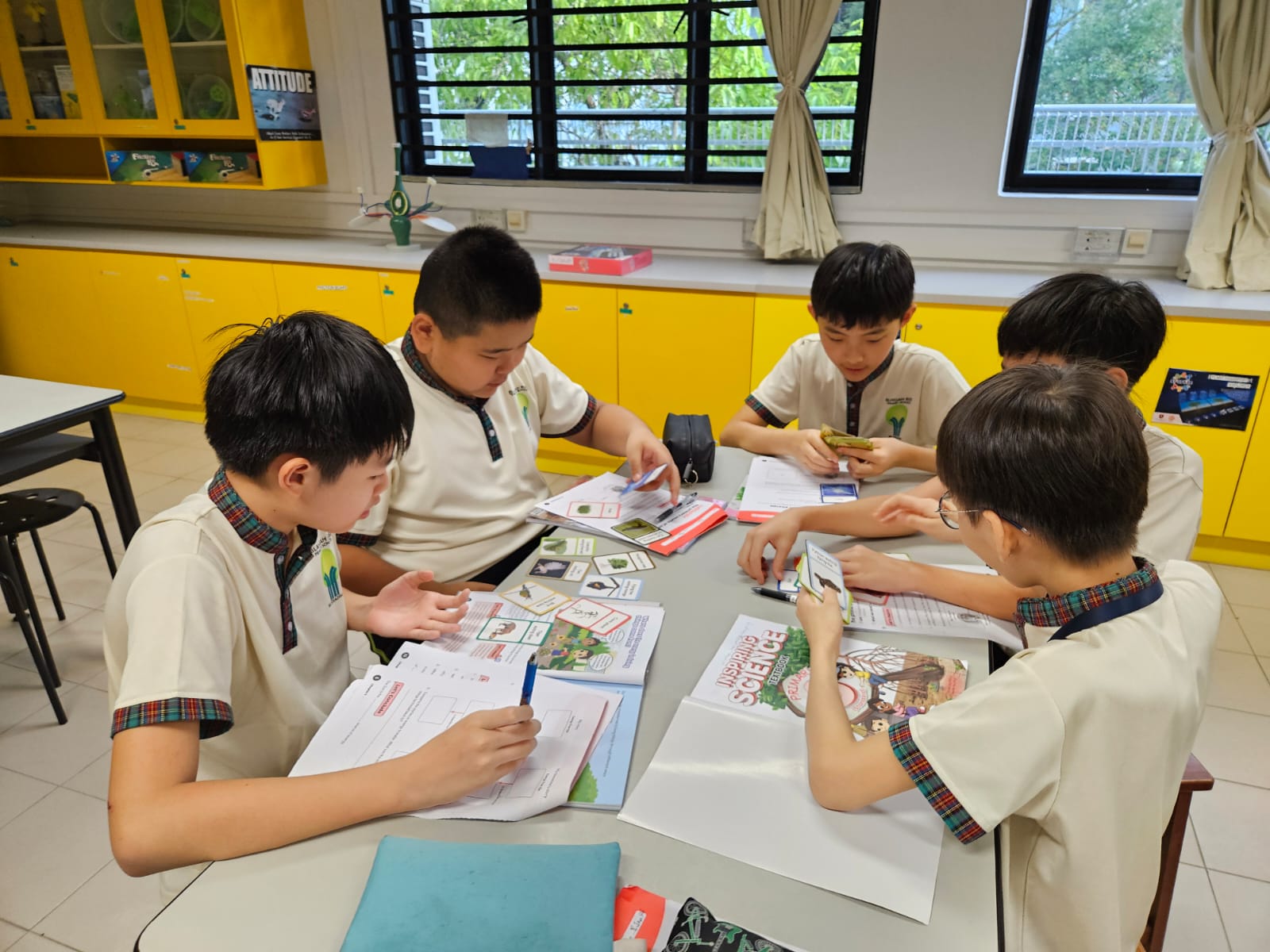
Inquiry-based Learning using Science Kits
The integration of science kits into the science classroom not only transforms
the roles of both teachers and students but also fosters the development
of self-directed learners. These kits serve as effective classroom tools
to support hands-on curriculum supplements, shifting the learning environment
from traditional, didactic methods to dynamic, hands-on approaches. This
encourages exploration and experimentation, which in turn, engage all students
in active and meaningful learning.
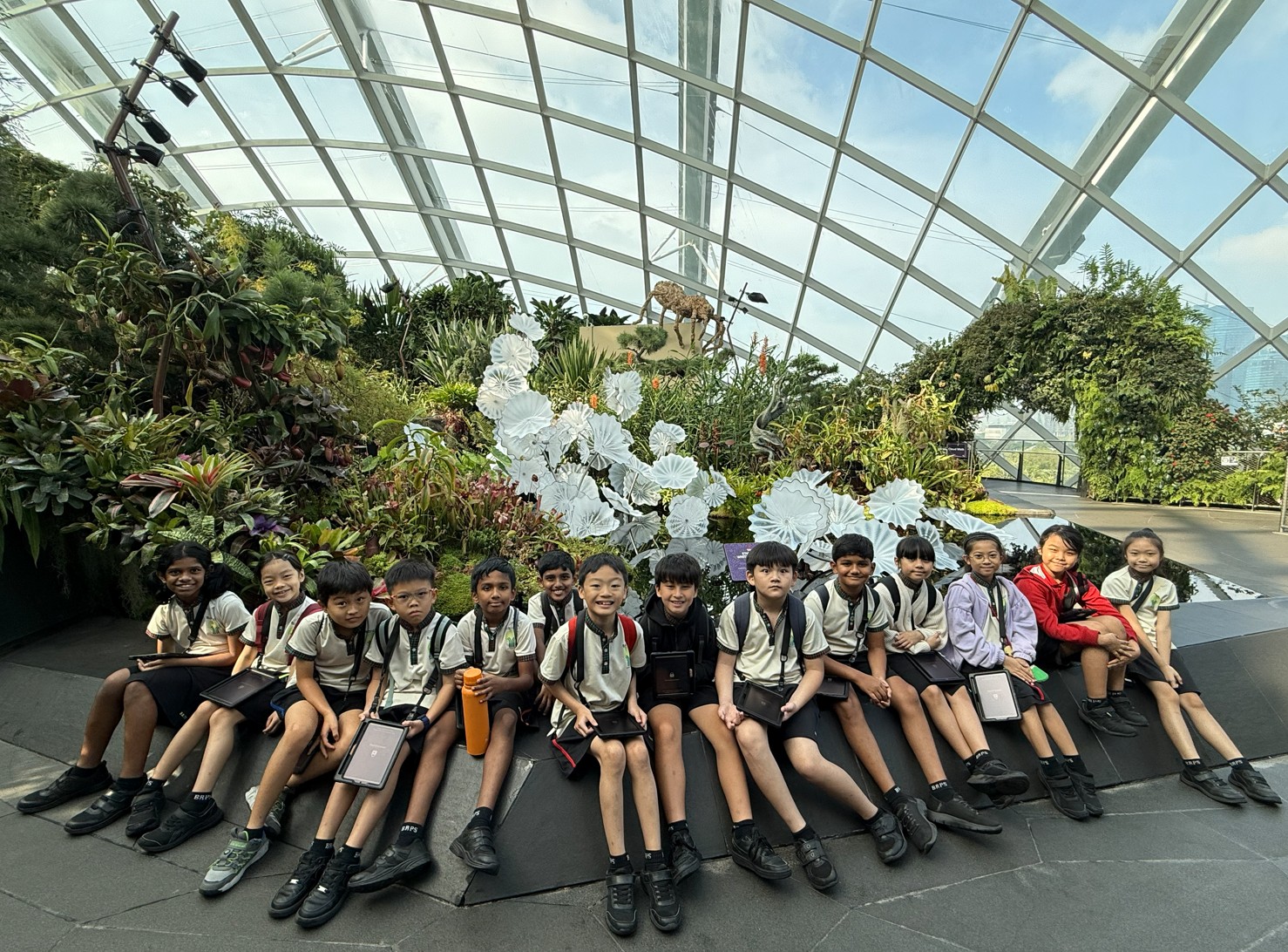
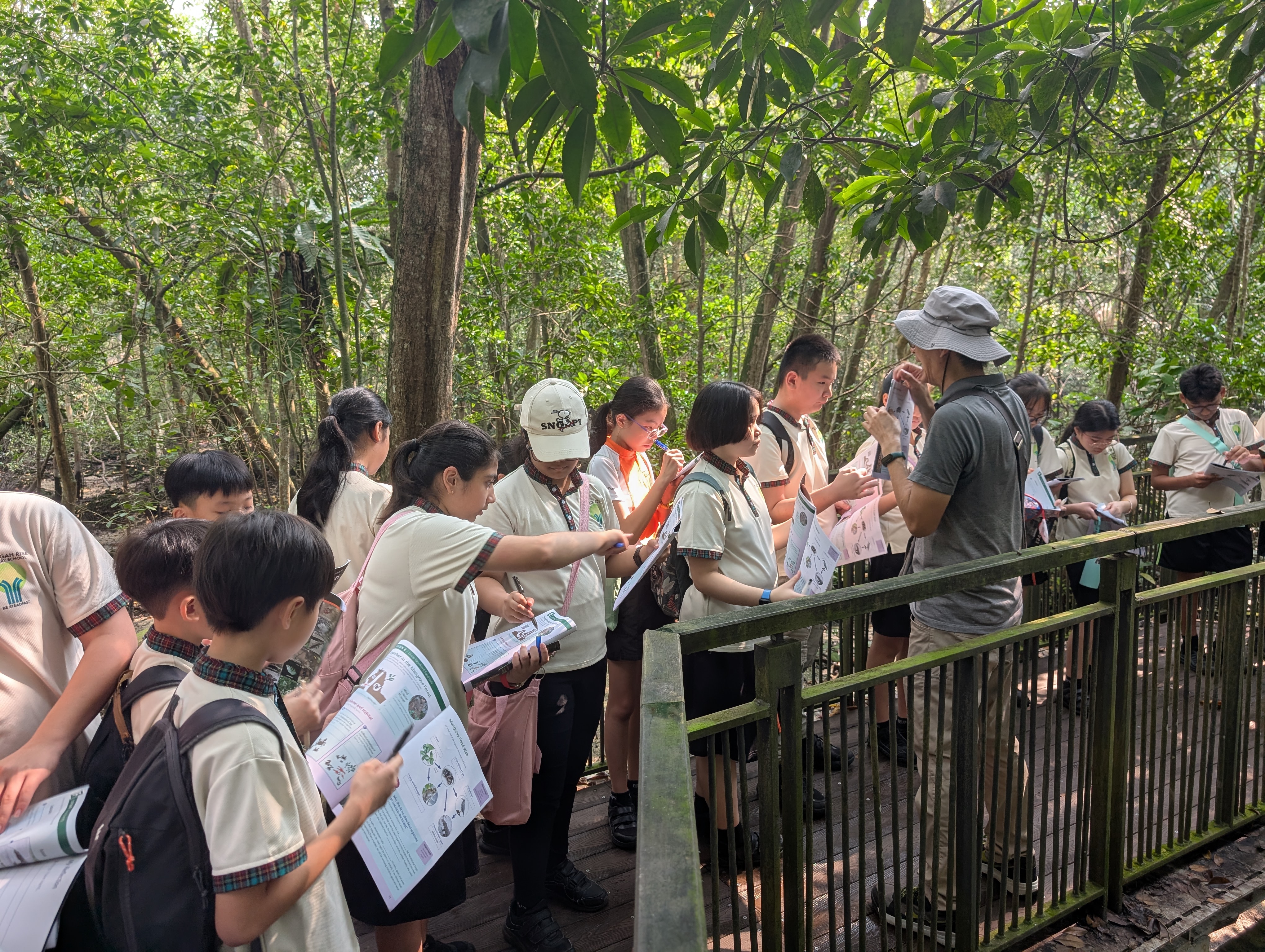
Outdoor Experiential Learning and Enrichment Activities
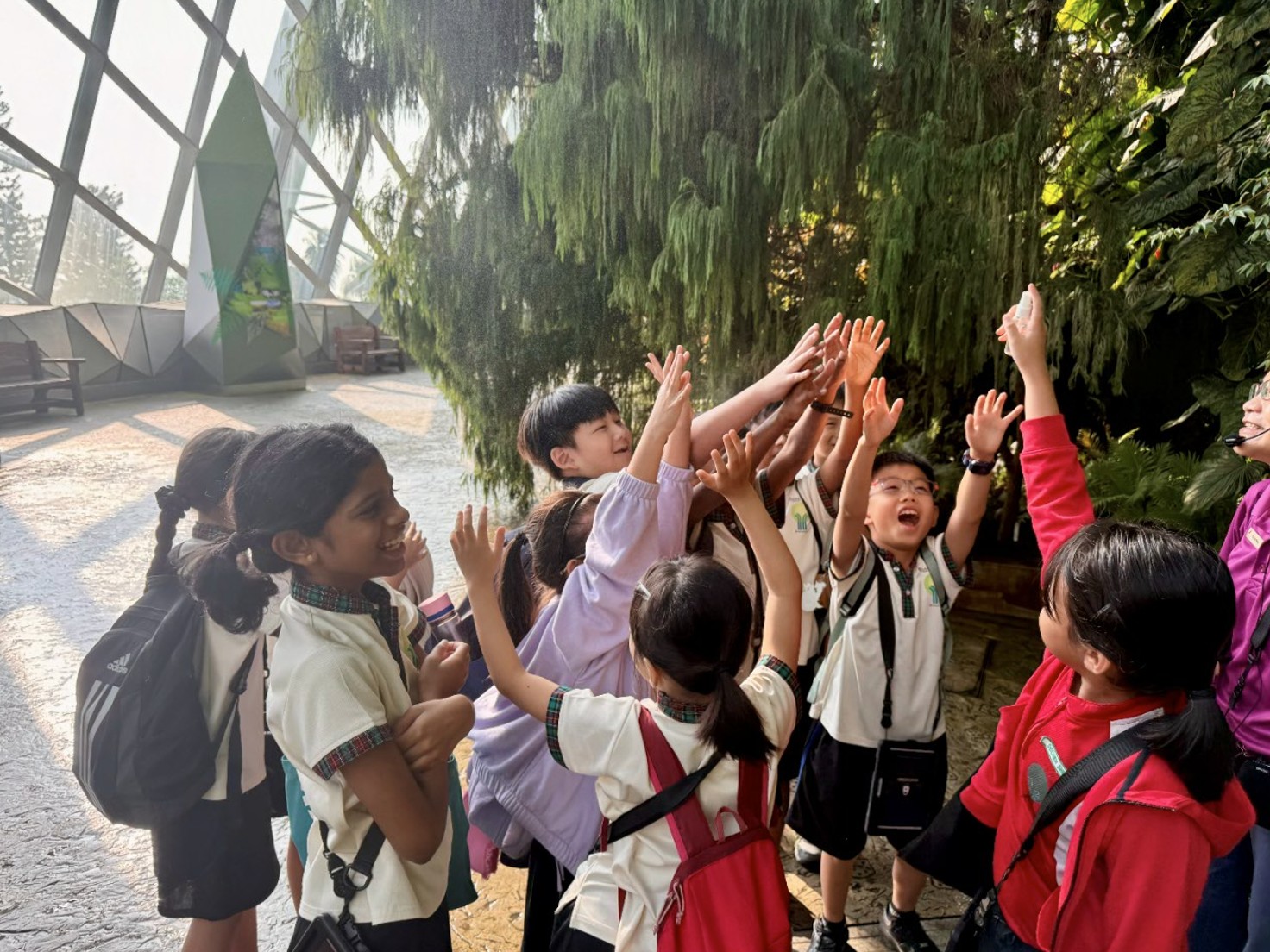
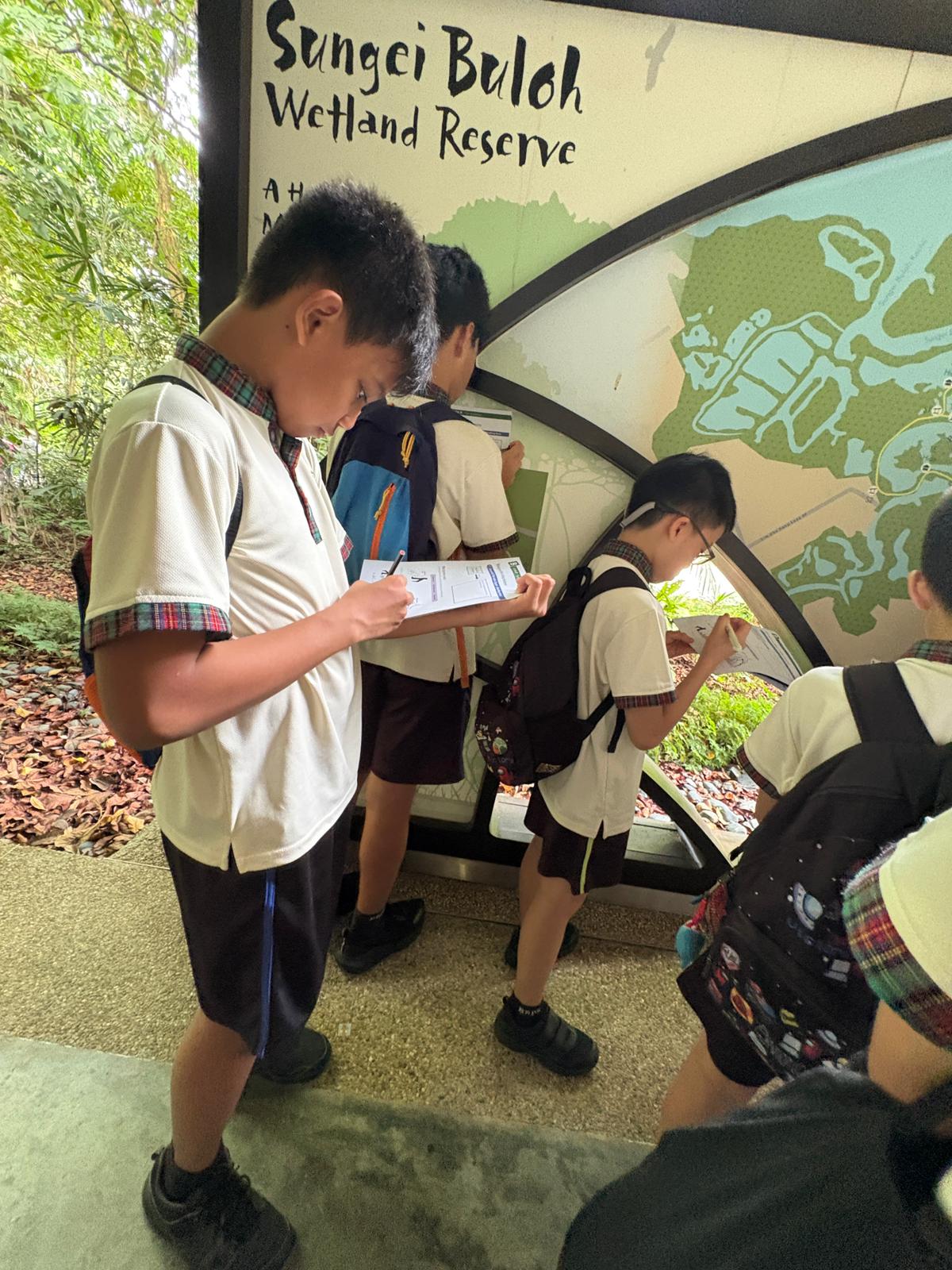
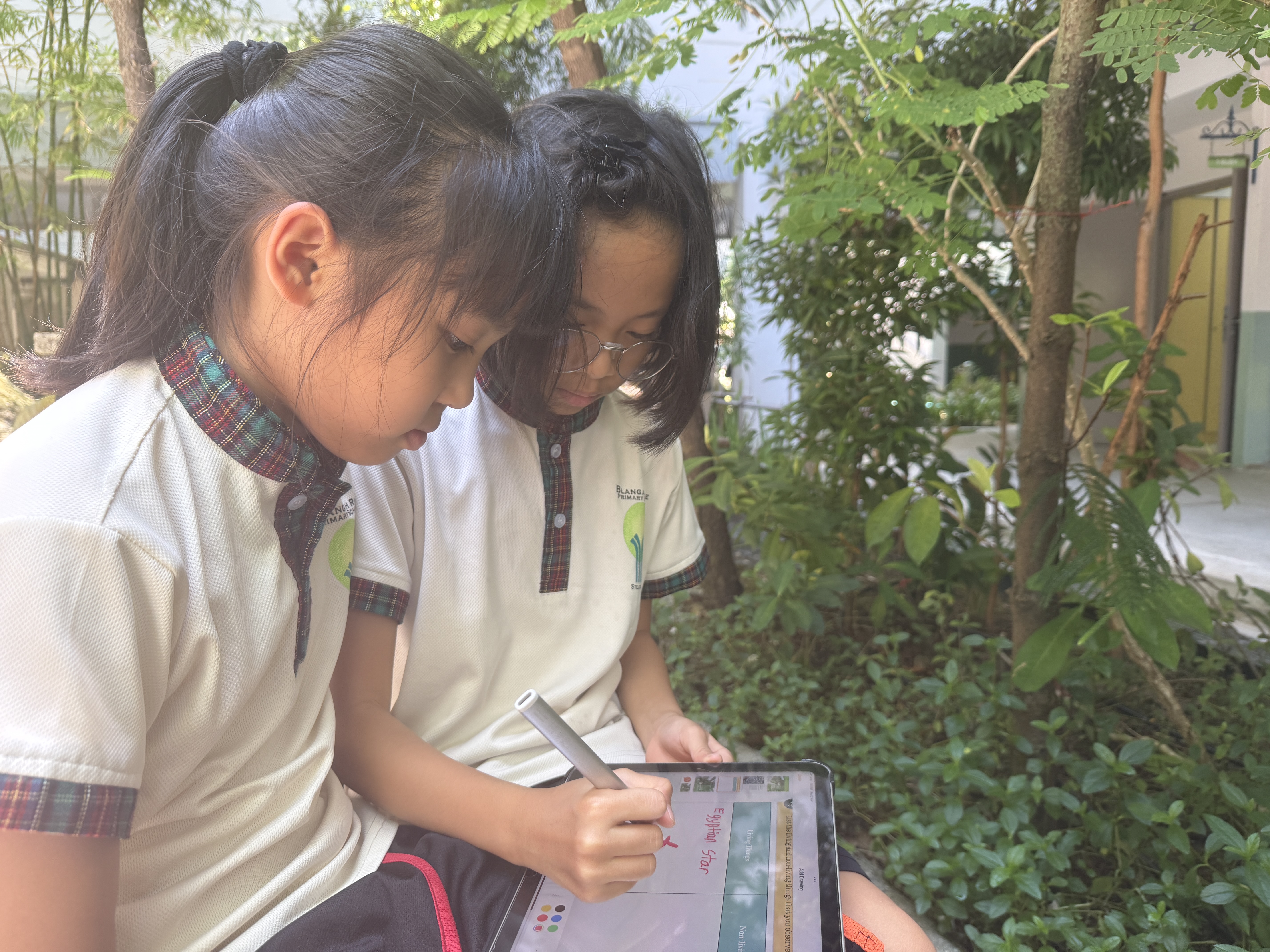
Our outdoor classroom lessons and school garden trails provide hands-on,
inquiry-based learning in authentic settings, enhancing understanding of
concepts taught through multi-sensory experiences. Students explore plants,
habitats and sustainability features firsthand, applying Science concepts
beyond classroom walls whilst developing curiosity, inquiry skills and
environmental understanding. Learning Journeys further connect theory to
practice, broadening students' perspectives.
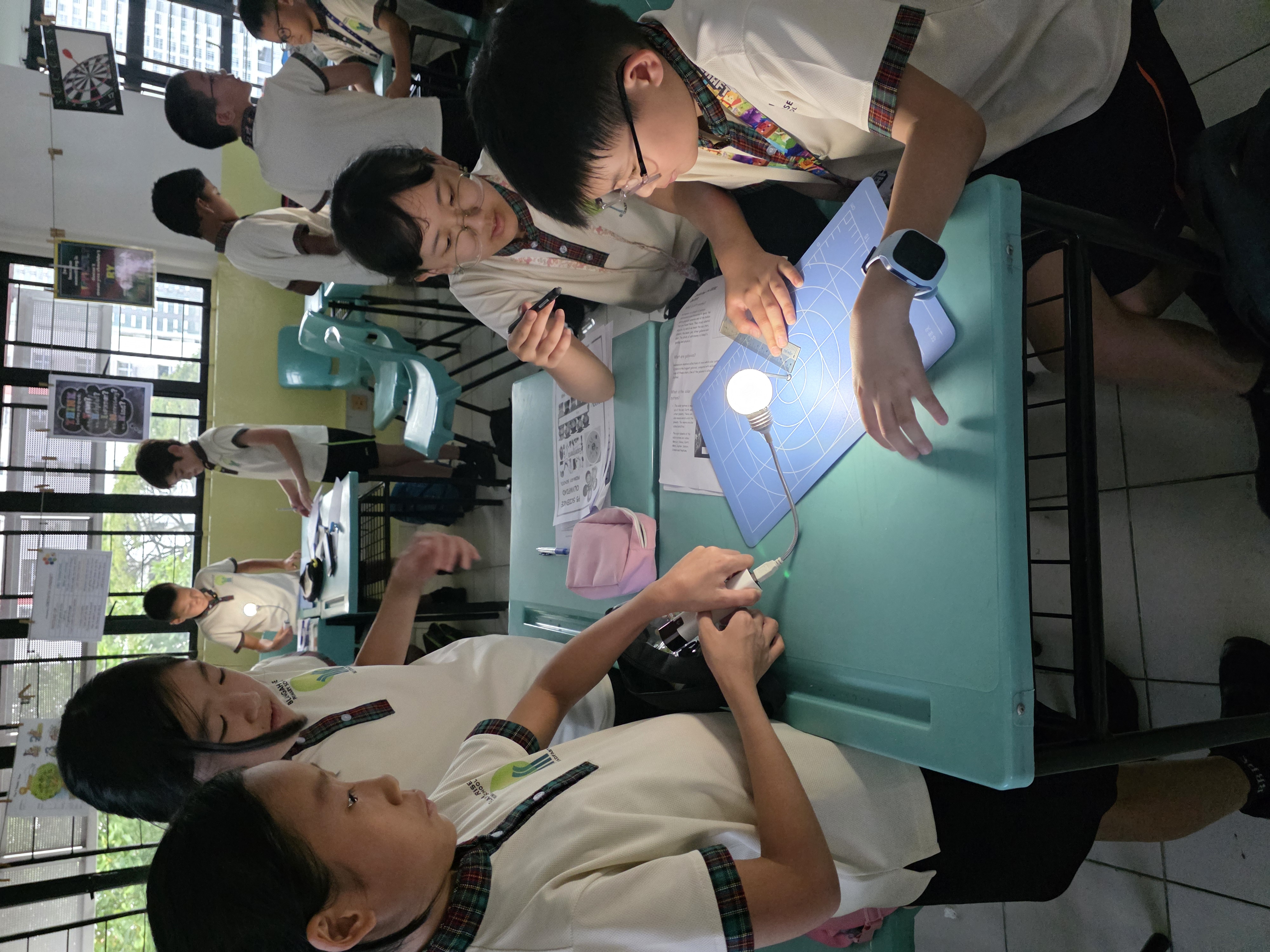
External partnerships further enrich Science education through year-round collaborations. Students engage with rare animal and plant specimens, comparing organisms beyond their usual environment. They also demonstrate energy conversion principles by designing wind turbines that transform kinetic energy into electrical energy, powering LED bulbs through practical applications.
|
Level |
Learning Journey / Enrichment Activities |
|
|---|---|---|
|
P3 |
Sustainability Workshop Garden Trail (Tranquil Garden @ BRPS) |
|
|
P4 |
Sustainability Workshop – Plastic Recycling Workshop |
|
|
P5 |
Garden Trail (Garden of Hope @ BRPS) |
|
|
P6 |
Constructing a circuit for LED bulb |
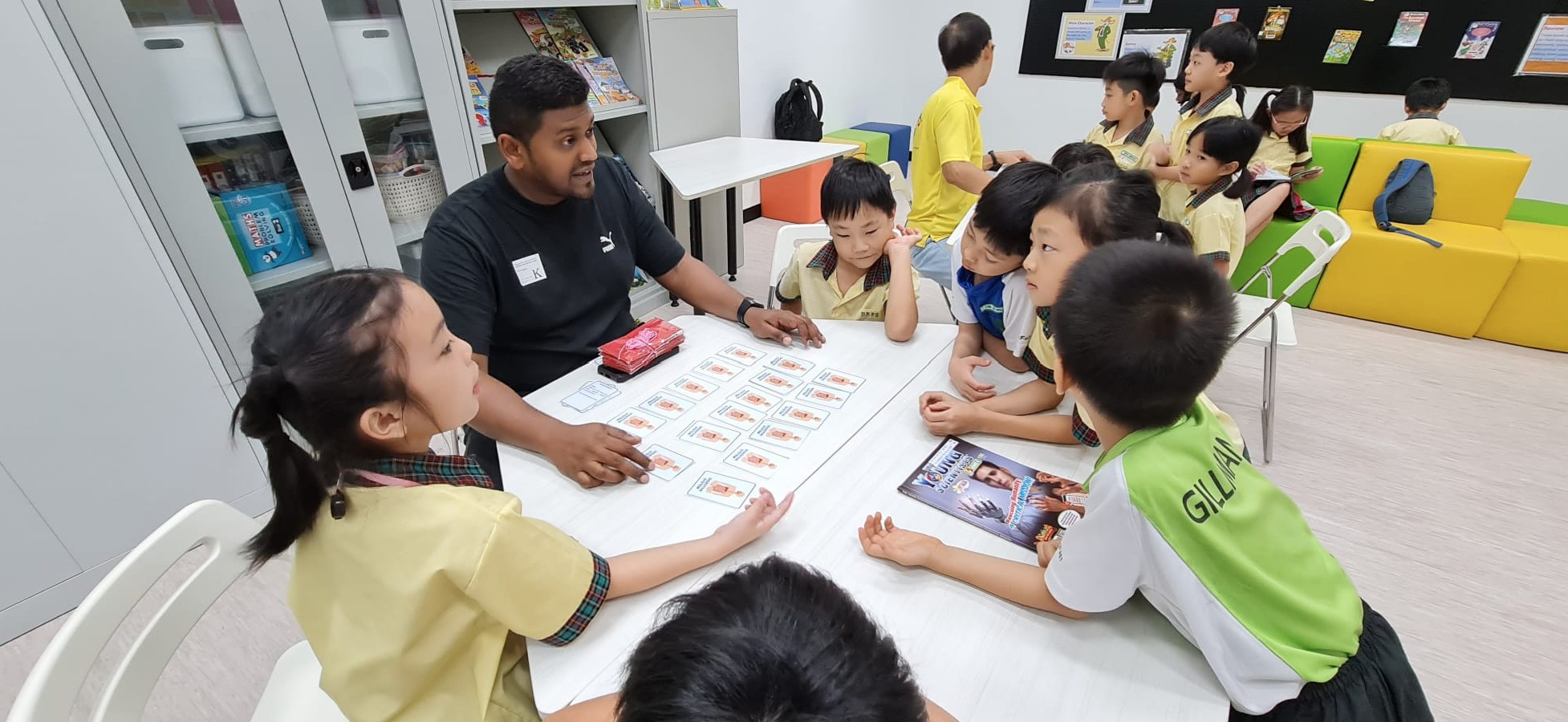
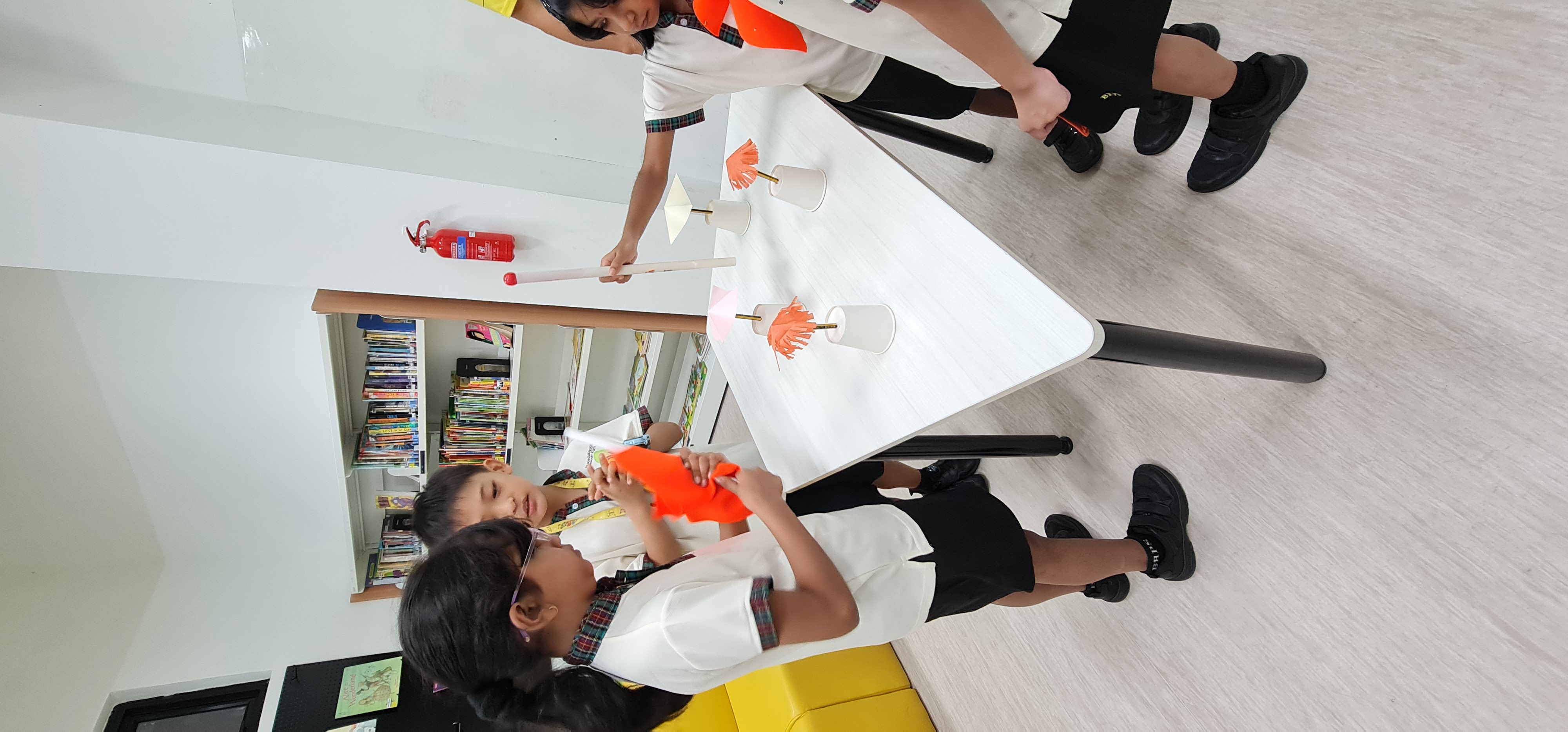
Recess Activities
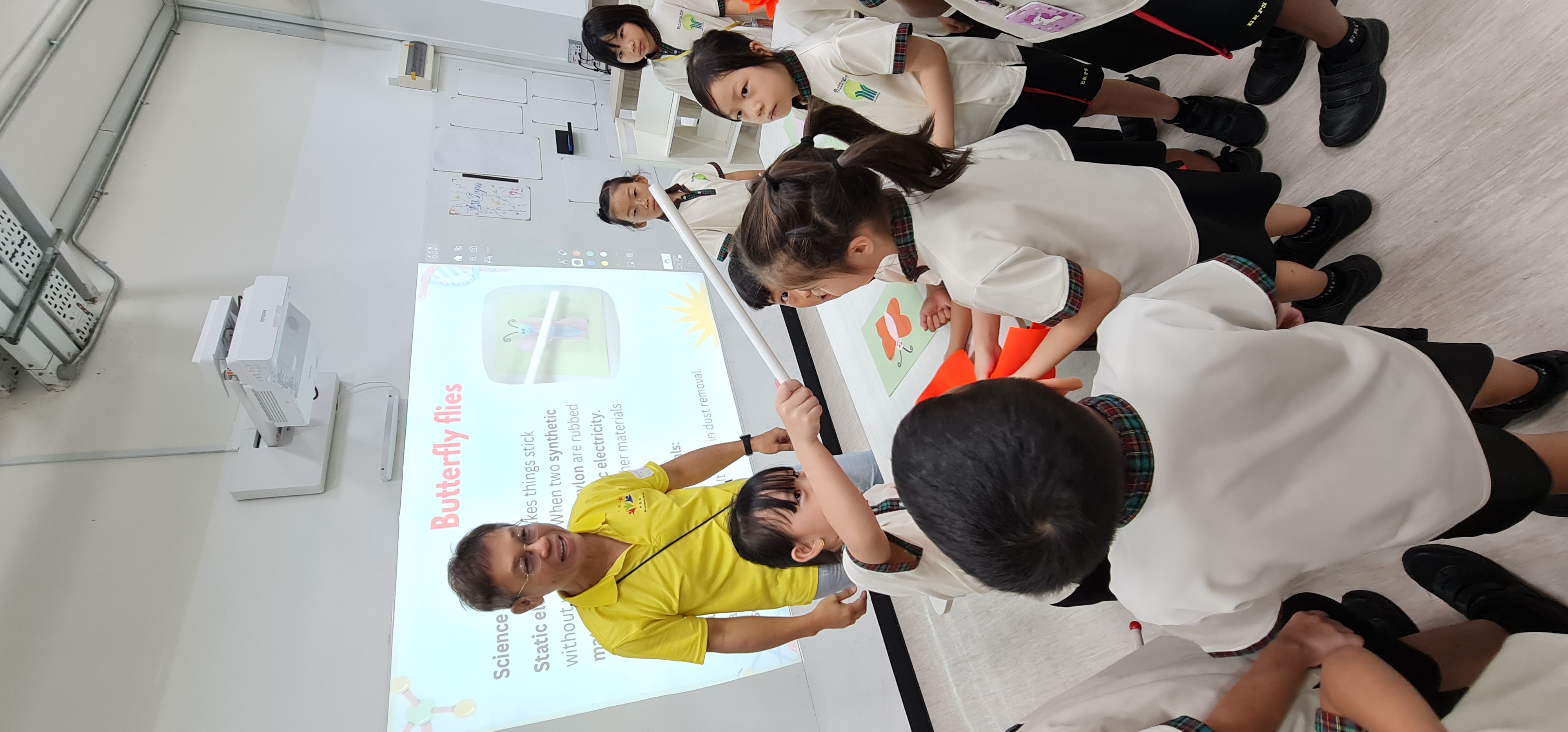
Our Science Department partners
with teachers and the Parent Support Group (PSG) to bring Science beyond
the classroom. Through fun, hands-on activities such as interactive games,
iPad-based challenges, experiment demonstrations, and STEM Champion tasks,
students deepen their understanding of scientific concepts while developing
social-emotional skills. These engaging recess sessions spark curiosity
and nurture a love for Science through meaningful experiential learning.
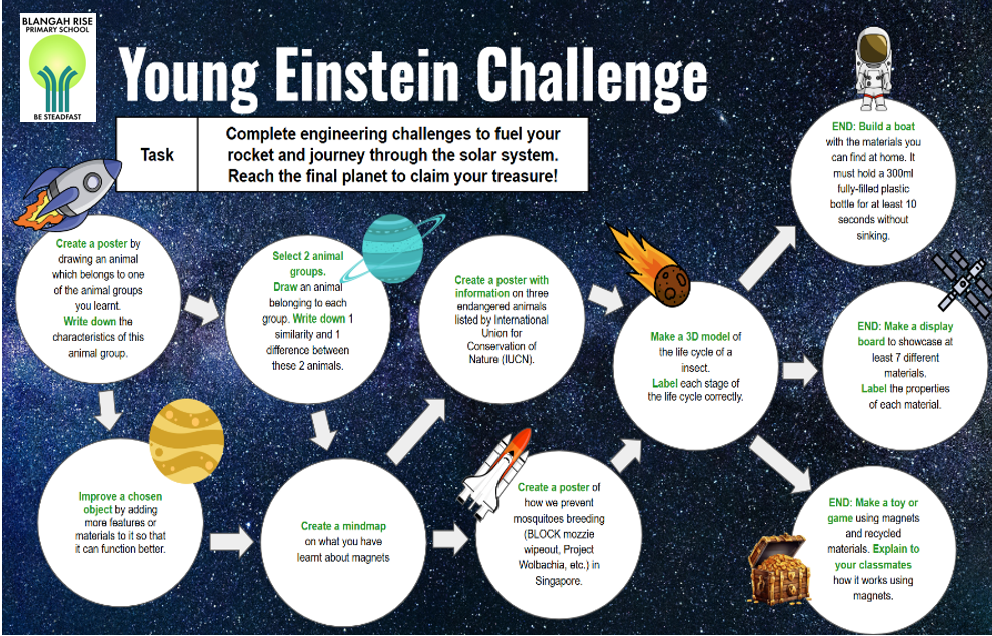
Young Einstein Challenge
Mirroring the objective of the Young Scientist Card—to encourage curiosity, exploration, and self-directed learning—this challenge-based approach fosters scientific inquiry, resilience and a love for Science through purposeful, hands-on experiences. Students from each level select from a curated list of projects and complete a series of engaging challenges.
Support Programme and Stretch Programmes
Support Programme
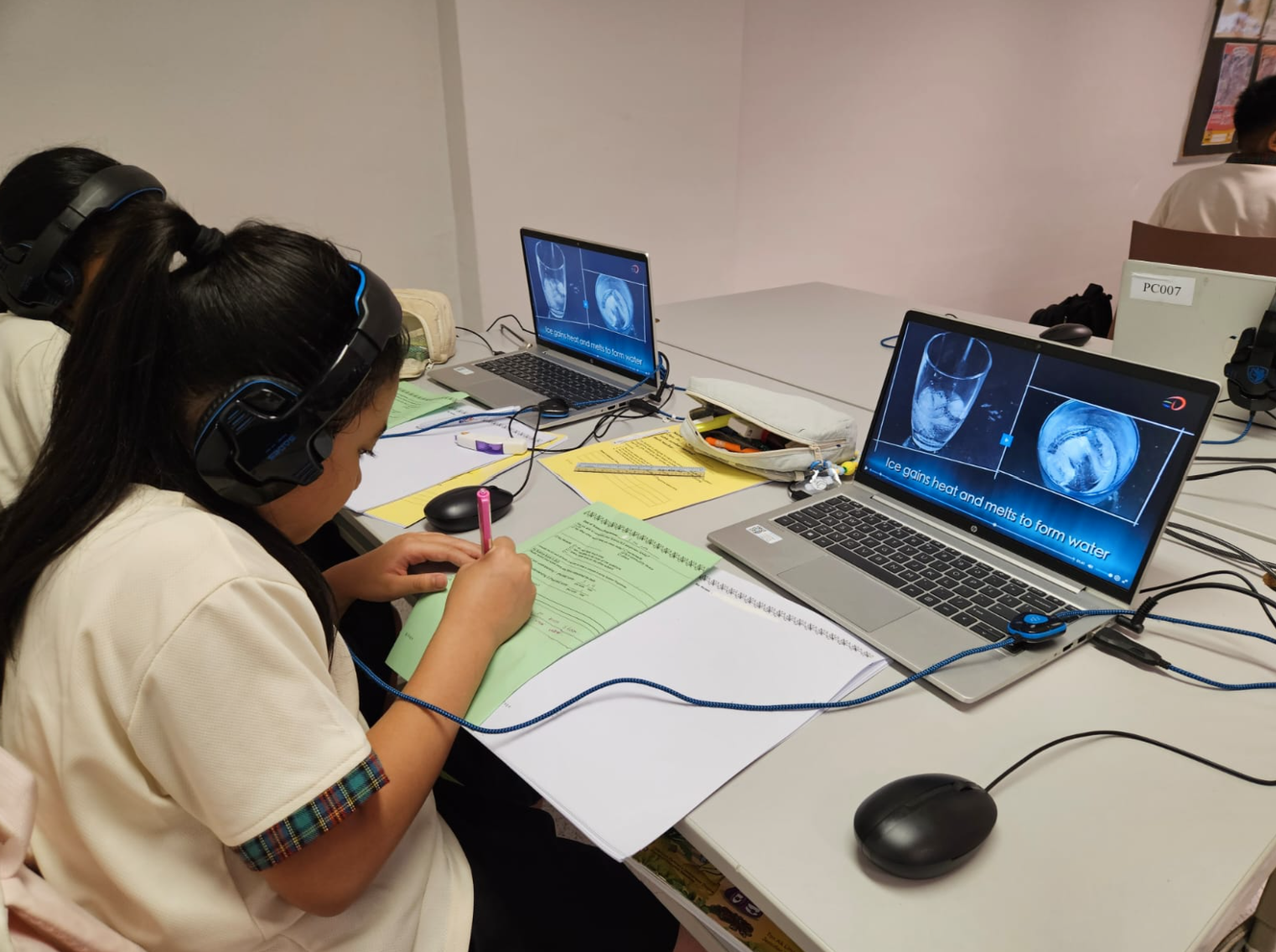
Our Support Programme provides after-school lessons for selected Primary 4 to Primary 6 students who require short-term intervention to reinforce key scientific concepts. Targeted instruction is delivered through customised SLS lessons and focused teaching, addressing specific learning gaps while strengthening foundational skills.
Stretch Programme - (APEX: Accelerated Programme to Enhance students’ eXperience)
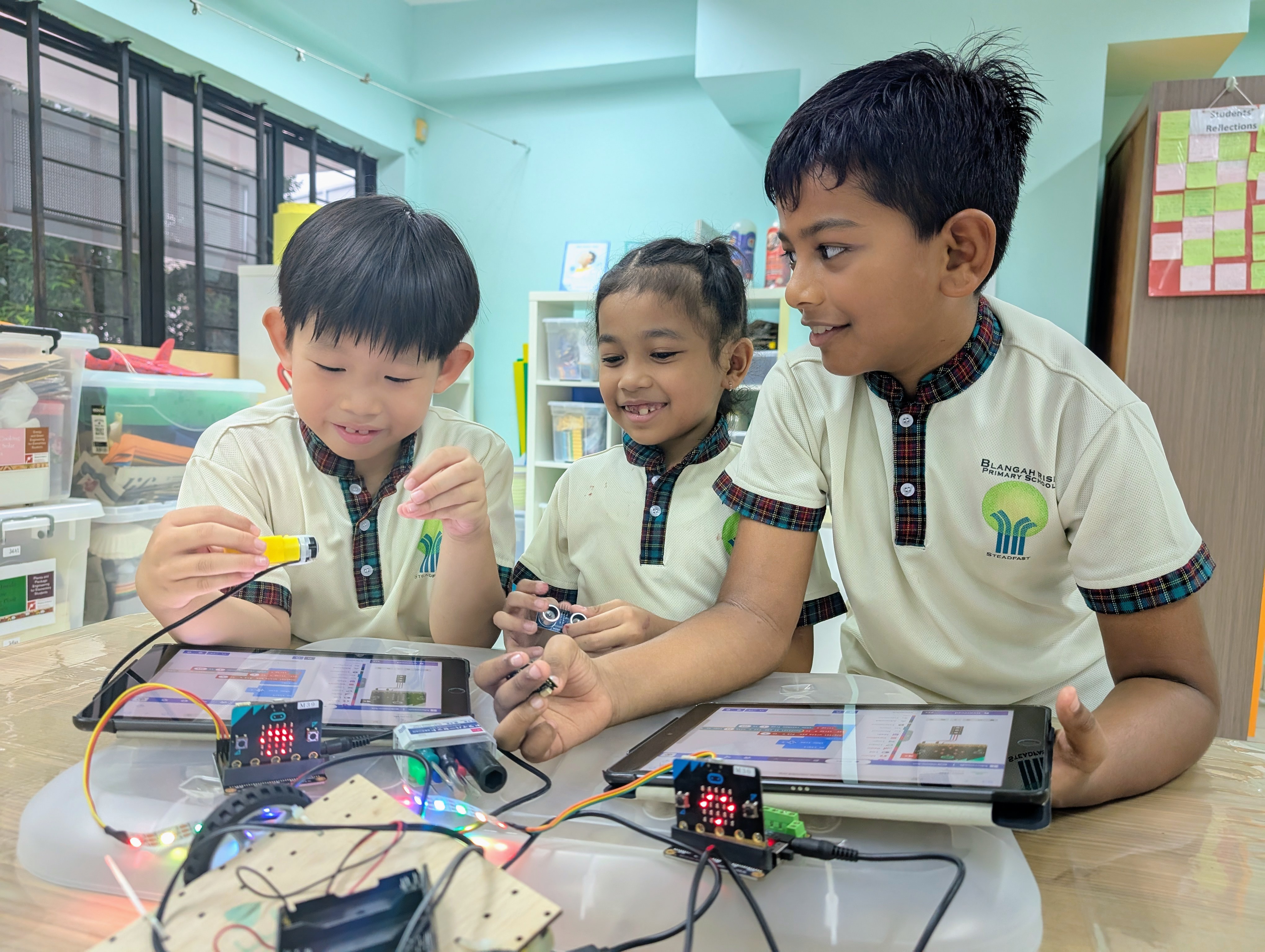
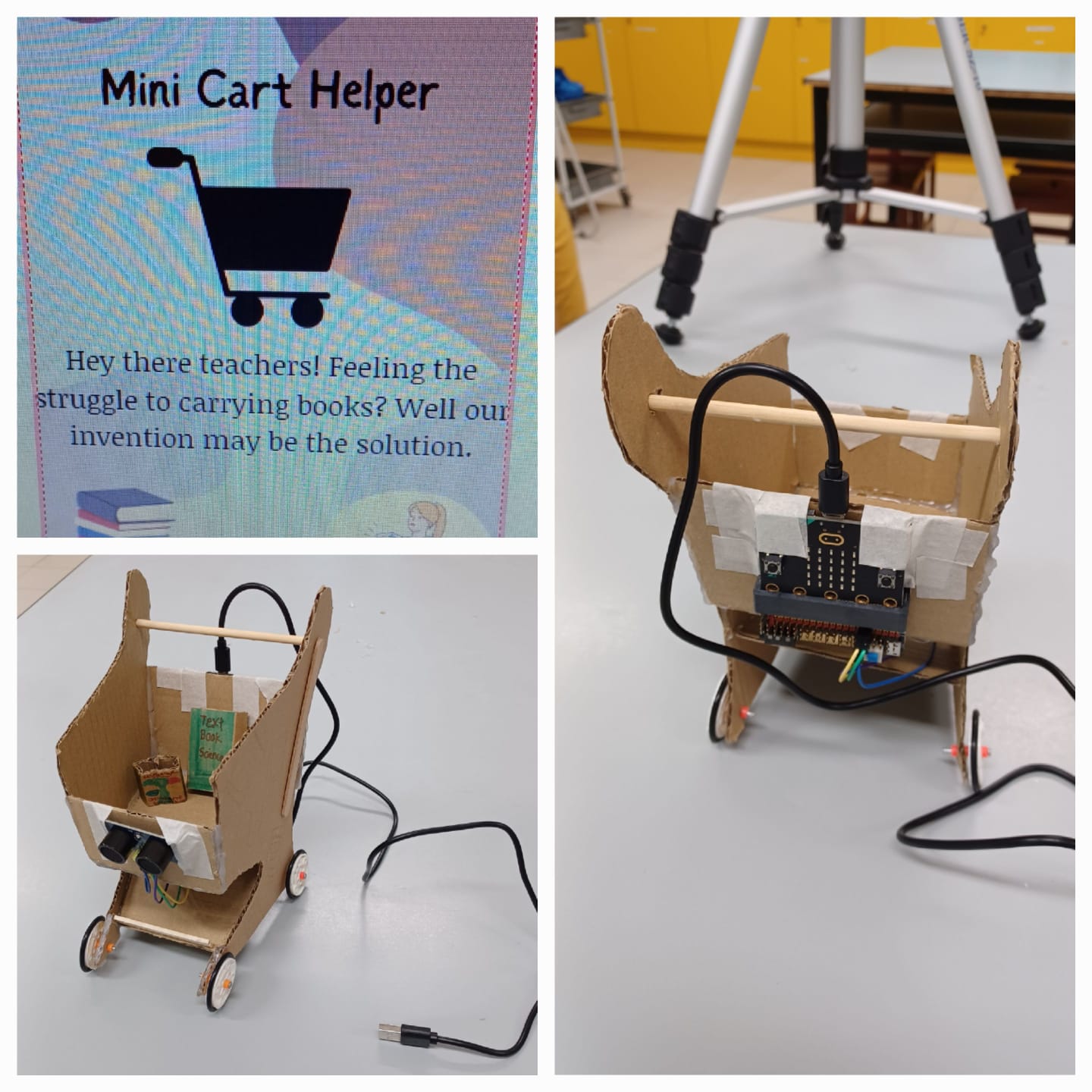
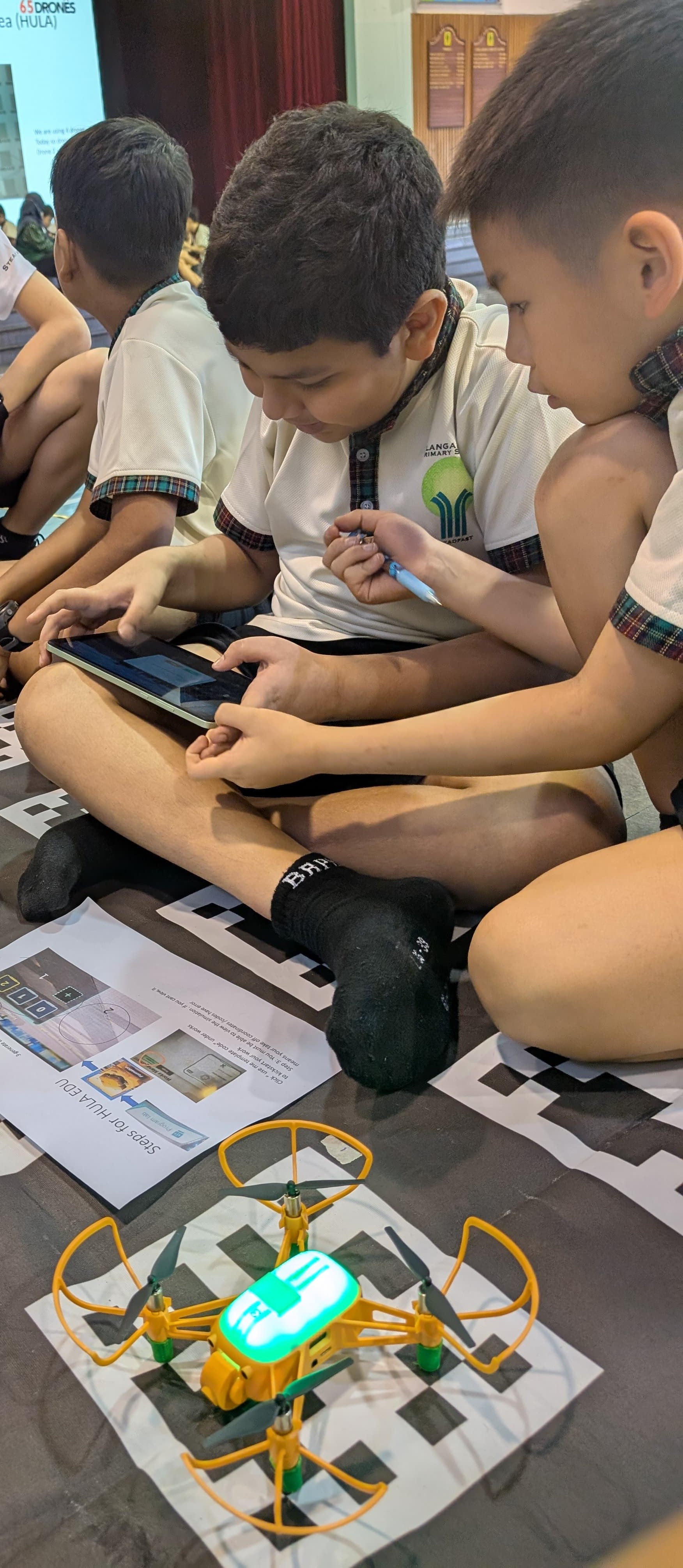
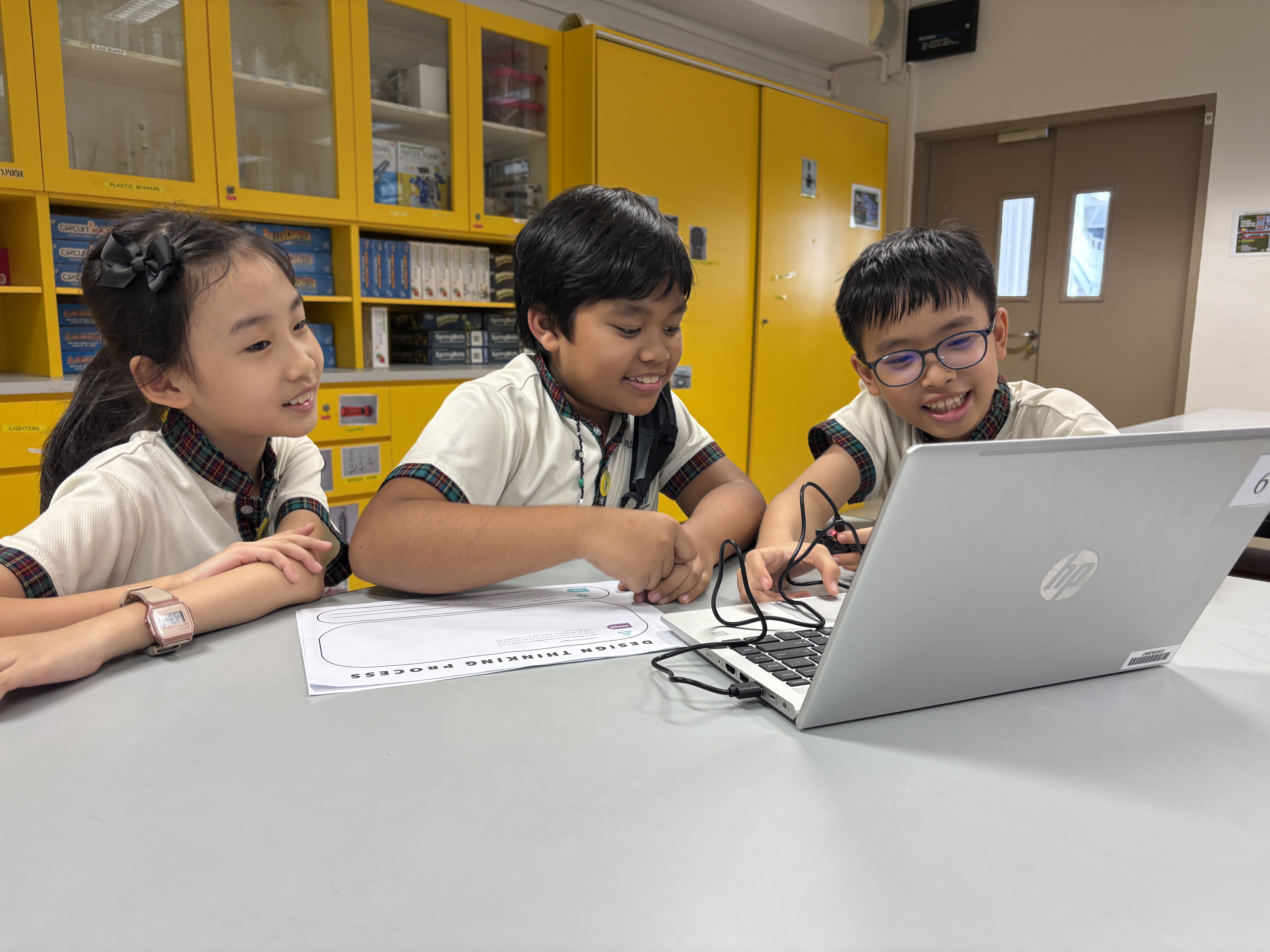
The APEX programme provides enriched learning opportunities for students with strengths and talents in Mathematics and Science. It includes E2K (Science) conducted within the curriculum, Science Olympiad training for Primary 4 and 5 students, and STEM-related modules for Primary 3 to Primary 6 offered as after-school programmes. These modules include Design Thinking in Toy-Making, the Innovation Programme (featuring coding and the use of micro:bits), Drones Adventure and the Scientist-in-School Programme.
Anchored in a rigorous inquiry-based approach, the programme engages students in advanced problem-solving tasks that deepen conceptual understanding, strengthen scientific inquiry skills, cultivate positive habits of mind and develop Critical, Adaptive and Inventive Thinking (CAIT) as part of enhanced 21st Century Competencies (21CC).
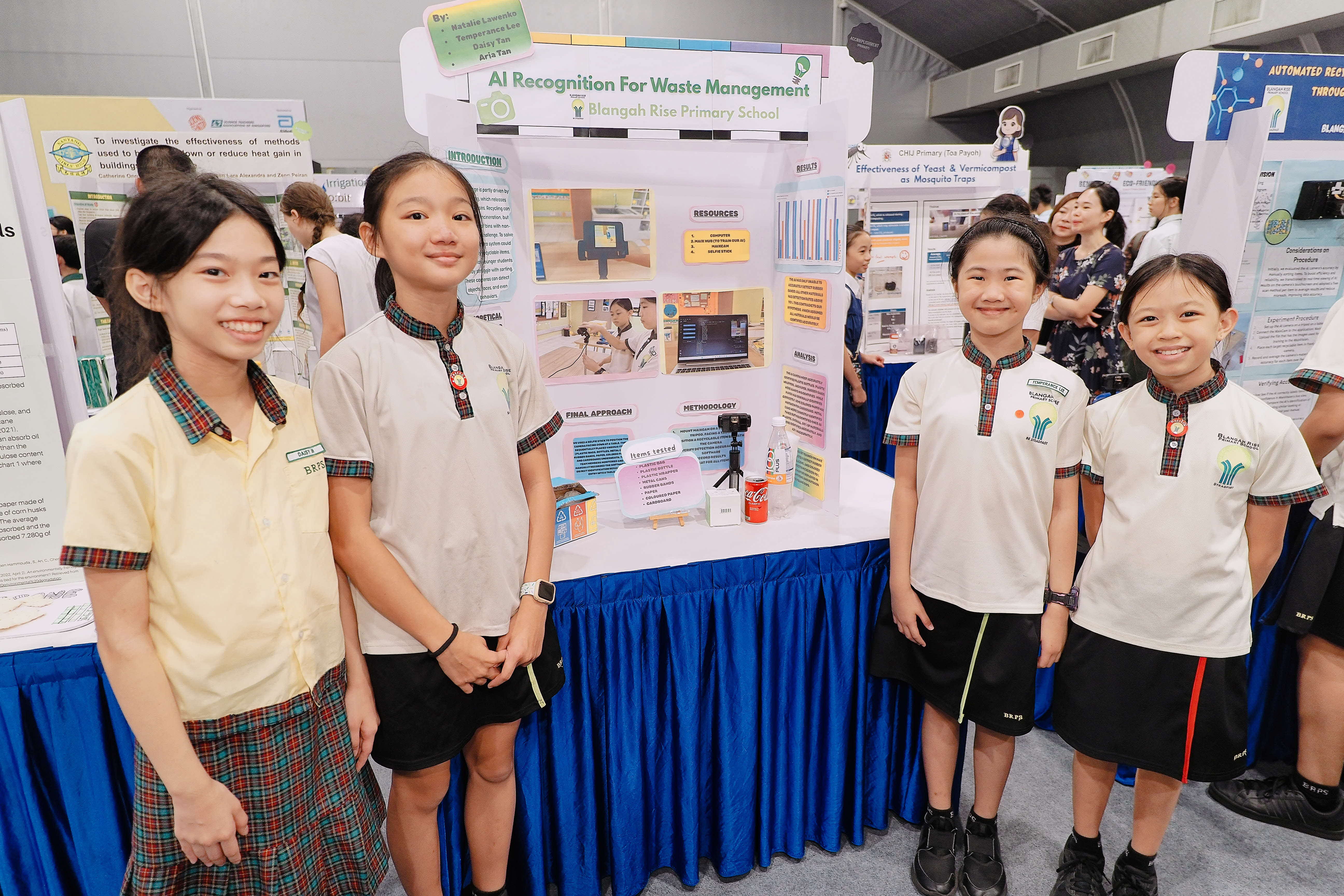
Science Olympiad Training
Selected Primary 4 to Primary 5 students with strong interest and potential in Science are offered enriched learning experiences to develop creative, analytical and problem-solving skills. Through themed training sessions aligned to the elementary science curriculum, students are introduced to Physics, Chemistry and Biology while deepening their scientific understanding.
Outstanding students may be selected to represent the school in external competitions such as the Singapore Primary Science Olympiad (hosted by NUS High School of Math and Science) and the Raffles Science Olympiad.